
The Quiet Signs of Anxiety in School‑Age Children (That Most Parents Mistake for Shyness or Sensitivity)

Updated: Jul 26
A gentle, practical guide to help parents spot early anxiety without guilt or fear
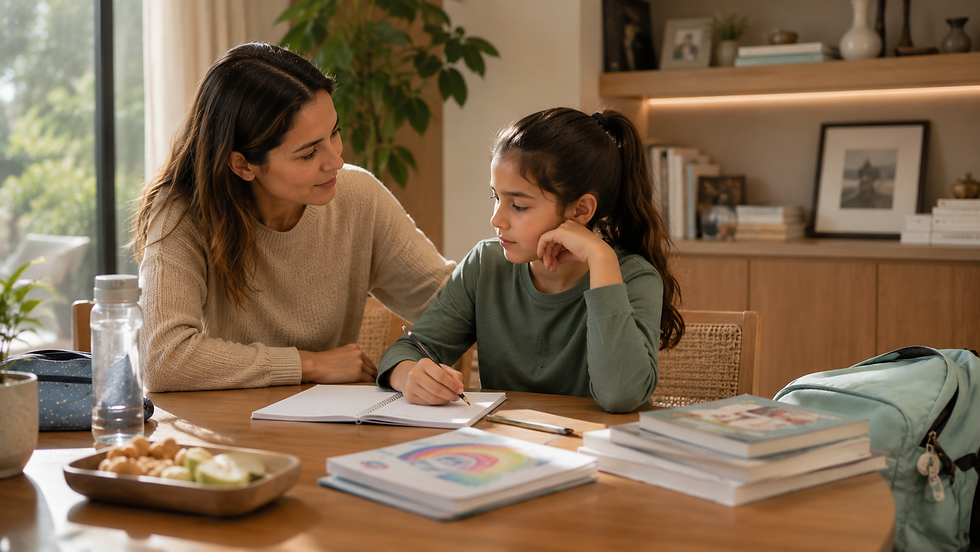
Many school‑age children show anxiety in ways that look harmless — shyness, sensitivity, clinginess, or “just being emotional.” Because these signs are quiet, subtle, and easy to overlook, parents often assume their child is simply introverted, cautious, or going through a phase.
But anxiety in children rarely looks like adult anxiety. It hides in behaviour. It hides in silence. It hides in small moments that don’t seem like a big deal.
At Retrieve Mind Poly Clinic, Dr. Aju Abraham, Consultant Psychiatrist, and Dr. Zita Moreira, Clinical Psychologist, often meet parents who say, “I didn’t realize my child was anxious — I thought they were just shy.” This blog gently explains the quiet signs of anxiety in school‑age children and how parents can support them with confidence and compassion.
Why Anxiety Looks Different in Children
Children don’t say, “I’m anxious.” They say:
“My stomach hurts.”
“I don’t want to go.”
“Can you stay with me?”
“I feel weird.”
Their bodies speak before their words do.
Children express anxiety through:
behaviour
avoidance
physical symptoms
emotional sensitivity
clinginess
perfectionism
Understanding these signs helps parents support their child early — before anxiety becomes overwhelming.
The Quiet Signs of Anxiety Parents Often Miss
1. “Shyness” That Is Actually Fear
Some children hide behind shyness because:
new situations feel scary
they fear embarrassment
they worry about being judged
they feel overwhelmed by social pressure
If shyness comes with physical tension, avoidance, or distress, it may be anxiety.
2. Sensitivity to Criticism
Anxious children often:
cry easily when corrected
panic when they make mistakes
feel ashamed quickly
avoid tasks they might “fail”
This isn’t oversensitivity — it’s fear of disappointing others.
3. Perfectionism
Children with anxiety may:
redo homework repeatedly
erase and rewrite until frustrated
avoid tasks unless they’re “perfect”
melt down when things go wrong
Perfectionism is often a child’s attempt to control anxiety.
4. Physical Complaints With No Clear Cause
Common anxiety symptoms include:
stomach aches
headaches
nausea
“feeling sick” before school
sudden fatigue
These symptoms often appear during stress or transitions.
5. Clinginess or Difficulty Separating
Anxious children may:
struggle to say goodbye
worry about parents leaving
need constant reassurance
panic during drop‑offs
This is not “immaturity” — it’s anxiety-driven fear.
6. Avoidance of Social or Academic Tasks
Avoidance is one of the strongest signs of anxiety.
Children may avoid:
school
group activities
reading aloud
sports
homework
new environments
Avoidance protects them from fear — but increases anxiety long‑term.
7. Overthinking and “What If” Questions
Anxious children often ask:
“What if I get in trouble?”
“What if they don’t like me?”
“What if I make a mistake?”
“What if something bad happens?”
These questions reveal internal worry loops.
8. Emotional Outbursts After Holding It Together All Day
Many anxious children appear calm at school but melt down at home.
This is called after‑school restraint collapse — a sign of emotional overload.
Why Parents Often Miss These Signs
Because anxious children are often:
well‑behaved
quiet
sensitive
polite
perfectionistic
eager to please
Their anxiety hides behind compliance.
This is why early understanding matters.
How Parents Can Support an Anxious Child (Without Guilt)
1. Validate Their Feelings
Try: “I know this feels hard. I’m here.”
Validation calms the nervous system.
2. Normalize Anxiety
Children feel safer when they know anxiety is common and manageable.
3. Break Tasks Into Small Steps
Small steps reduce overwhelm.
4. Teach Simple Coping Skills
Examples:
slow breathing
grounding
naming feelings
taking breaks
5. Reduce Pressure, Increase Support
Focus on effort, not perfection.
6. Create Predictable Routines
Predictability reduces anxiety spikes.
7. Seek Professional Support When Needed
Early support prevents long‑term struggles.
How Therapy Helps Anxious Children
With Dr. Aju Abraham — Consultant Psychiatrist
Dr. Aju helps families understand:
anxiety triggers
physical symptoms
emotional patterns
nervous system responses
His guidance helps children feel calmer and more confident.
With Dr. Zita Moreira — Clinical Psychologist
Dr. Zita helps children:
build emotional literacy
reduce avoidance
manage fear
develop coping skills
strengthen resilience
Her approach is warm, gentle, and child‑friendly.
Final Thoughts
Your child’s quiet signs of anxiety are not failures — they are signals. With awareness, compassion, and gentle support, children can learn to manage anxiety and grow into confident, emotionally resilient adults.
Retrieve Mind Poly Clinic is here to support families every step of the way.
Contact Retrieve Mind Poly Clinic near Palm Jumeirah
👉 Call or WhatsApp: +971 50 206 6563 / +971 43 99 6919
Written by: Dr. Aju Abraham, MBBS (University of Kerala, India), MRCPSYCH (The Royal College of Psychiatrists, UK), Certificate of Completion Of Specialist Training (The Specialist Training Authority of the Medical Royal Colleges, UK), Postgraduate Diploma in Cognitive Therapy ( University of Durham, UK) Consultant Psychiatrist, Medical Director, Retrieve Mind Poly Clinic (25+ years experience, UK NHS & Middle East)
About the Author
Dr. Aju Abraham is a Consultant Psychiatrist and the Medical Director of Retrieve Mind Poly Clinic, Dubai Media City. He has over 25 years of clinical experience in psychiatry, spanning the UK National Health Service (NHS), Qatar, and the UAE.
His expertise covers adult psychiatry, mood and anxiety disorders, ADHD, relationship difficulties, and workplace stress.
Dr. Abraham’s approach integrates evidence-based medicine with a compassionate understanding of modern urban lifestyles. He regularly contributes to mental health awareness across educational and corporate settings in Dubai and Doha.


Comments